Step 1
Site Assessment and Cause Identification
We assess the surface failure, probe the base, evaluate the drainage path, and determine what caused the visible symptom before recommending any repair work.
Loading content...
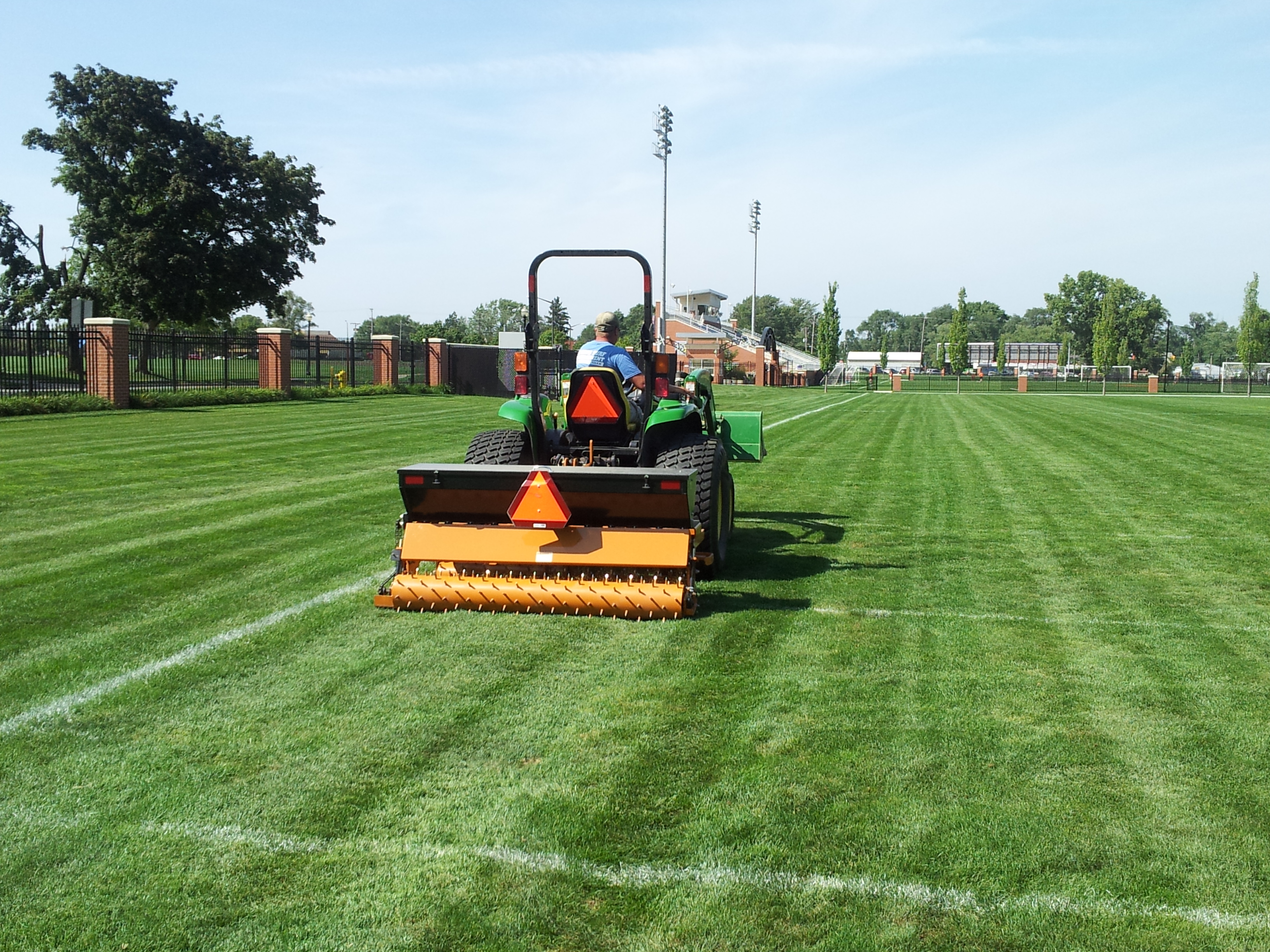
Repair and maintenance for artificial turf surfaces across Pasadena and the Ship Channel corridor, addressing seam failure, drainage problems, clay-driven surface movement, and infill degradation.
Artificial turf in Pasadena and the surrounding corridor cities fails in a specific set of ways, and most of those failures trace back to one of three root causes: base problems created by the Beaumont clay cycle, drainage failures from the Gulf rain load, or original installation quality that was not built for this soil environment. Artificial Grass of Pasadena handles turf repair and maintenance calls across the Pasadena area, and the first thing we assess is what actually caused the failure, not just what the visible symptom is. A seam that is lifting can come from an anchoring problem at installation, from clay movement pushing the base under the seam, or from a drainage failure that saturated the sub-base and released the anchor points. Each cause requires a different repair approach. Patching the seam without addressing the cause puts the property owner back in the same position within a season. We identify the cause, address it, and then repair the visible surface. The same applies to drainage failures. If standing water is appearing in a zone that drained correctly before, the base has changed. Either the clay has shifted a drainage path, or the aggregate has compressed in a way that reduces permeability, or a drainage outlet has clogged. We assess the drainage system before recommending a repair approach so the repair actually solves the problem. Maintenance visits for turf in the Pasadena area also address infill redistribution, which happens when heavy rain or high pet traffic moves infill toward the low areas of the yard. Redistribution is not a sign of a failing installation, but it is a maintenance item that affects surface performance and appearance if it is not addressed.
Turf repair and maintenance from Artificial Grass of Pasadena starts with a cause assessment, not just a surface patch.
Most turf repair calls in the Pasadena area are not random surface failures. They trace to the Beaumont clay moving under a base that was not built to handle it, or to drainage that was undersized for Gulf rain event volumes. Fixing the surface without addressing the cause puts the property owner on a repair cycle. Artificial Grass of Pasadena identifies the cause before recommending the repair, so the repair actually resolves the problem rather than covering it temporarily.
Primary local coverage includes Pasadena, TX and surrounding communities.
Every repair call starts with the cause assessment, because the right repair is determined by what caused the failure.
Step 1
We assess the surface failure, probe the base, evaluate the drainage path, and determine what caused the visible symptom before recommending any repair work.
Step 2
Repair scope and cost are confirmed before work begins. If the cause assessment changes the repair approach from what the property owner expected, we explain the reason before proceeding.
Step 3
Base issues, drainage failures, or clay movement problems are addressed before the surface repair. Fixing the surface over an unaddressed cause creates a repeat failure.
Step 4
Seam repair, edge work, section replacement, or infill redistribution is completed after the underlying cause is corrected.
Step 5
We walk the repaired surface with the property owner, confirm the repair quality, and cover what to monitor in the first season after repair.
Turf repair and maintenance in Pasadena and the Ship Channel corridor addresses the failure modes specific to this soil and climate environment.
Seams lifting, surface humping, and grade irregularity caused by Beaumont clay movement under an inadequately built base. This is the most common repair call in the Pasadena soil zone.
Standing water on turf that previously drained, caused by clogged drainage outlets, compressed aggregate, or clay-shifted drainage paths after major Gulf rain events.
Infill that has compacted, degraded, or been displaced in pet yards, resulting in odor retention, surface hardness, or drainage slowdown.
Repair cost depends on the nature of the failure, the cause that needs to be corrected, and the square footage of surface affected.
A localized seam repair costs significantly less than a drainage system rebuild or a full base correction in a clay-movement zone. The cause assessment determines which type of repair is required.
Repairs requiring base excavation and aggregate replacement add cost over surface-only repairs. This is unavoidable when the base is the cause of the failure.
Turf section replacement is priced by the area replaced plus the base work if needed. Spot repairs cost less than full-zone replacements.
Infill refresh is priced by the volume required to restore the specified depth across the affected area.
Artificial Grass of Pasadena provides turf repair and maintenance across Pasadena, Deer Park, La Porte, South Houston, Channelview, Galena Park, Baytown, Seabrook, Clear Lake, League City, Friendswood, and Webster.
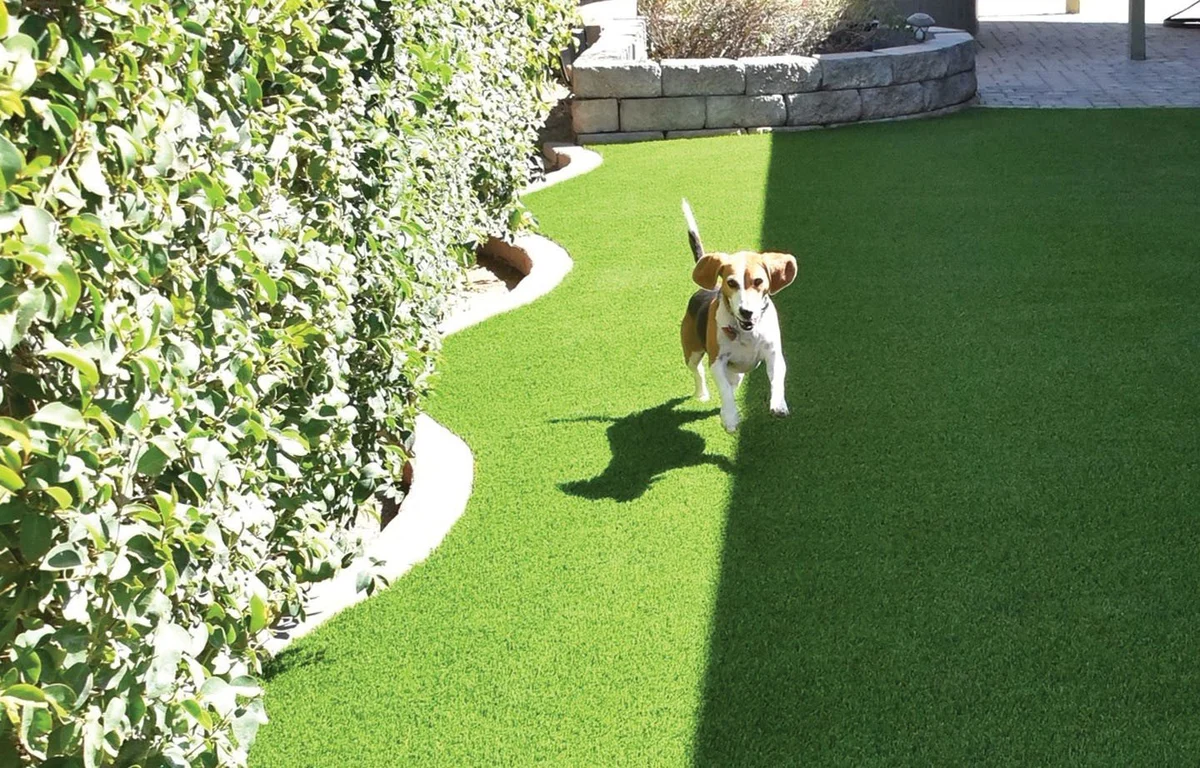
Base correction and drainage preparation for long-term turf performance in Pasadena-area soils.
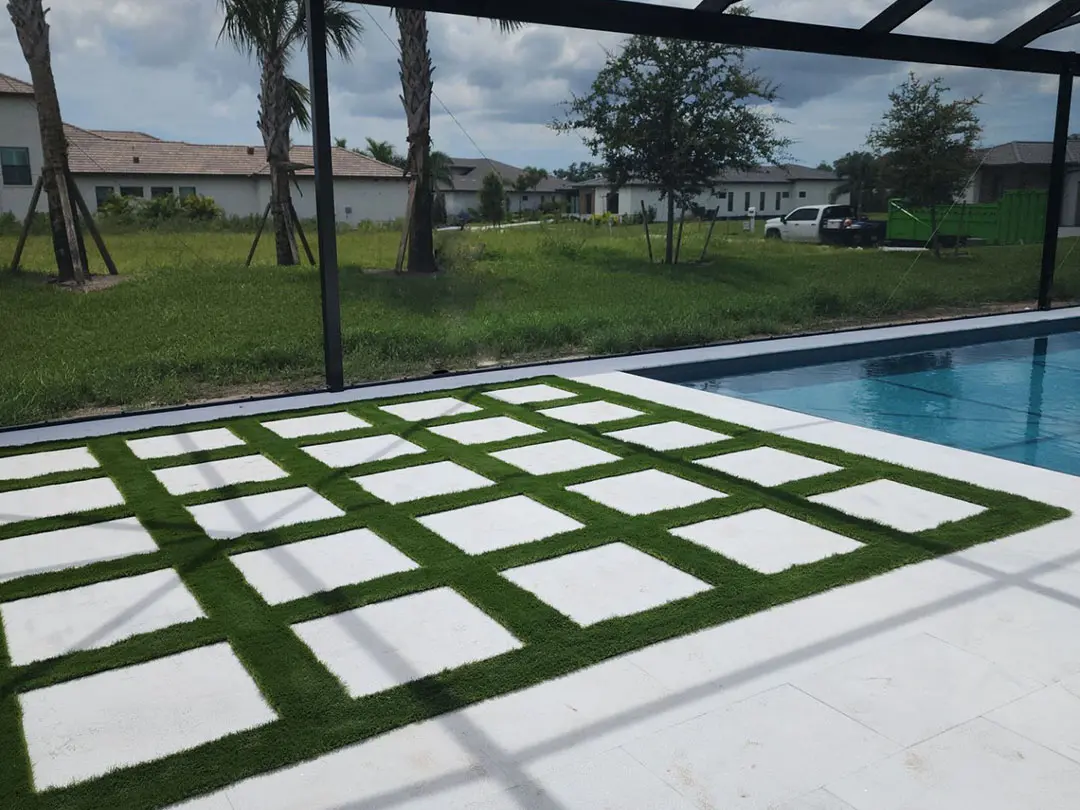
Complete synthetic turf installation for residential and commercial properties in Pasadena, TX.
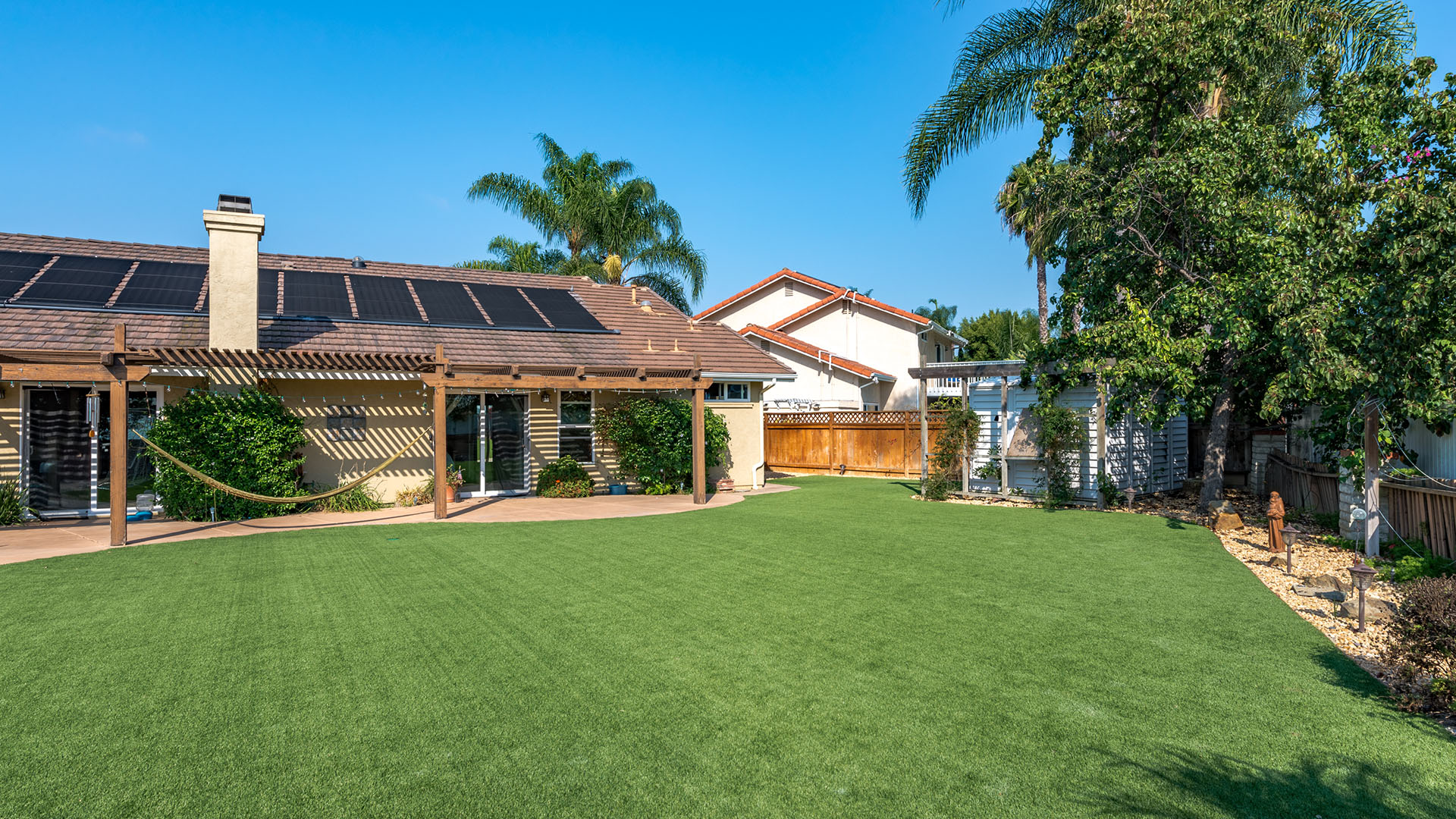
Backyard and front-yard turf systems designed for family use, pets, and low-maintenance living.
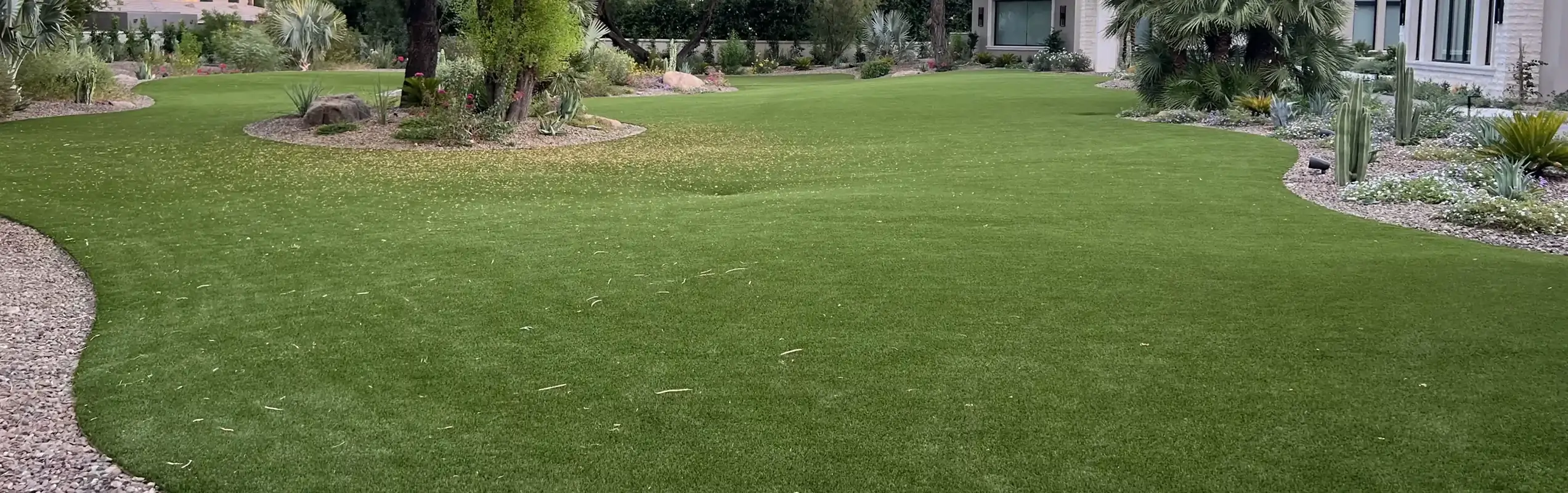
Commercial-grade turf layouts for offices, retail properties, and multifamily communities.
The assessment determines that. Surface failures that trace to a base problem often require base correction plus surface repair. If the turf material itself is worn through or damaged across a large area, replacement may be more cost-effective. We give an honest assessment, not an automatic replacement recommendation.
Lifting seams in Pasadena are usually clay movement under the base pushing up at the seam line, or original installation anchoring that was insufficient. We assess which it is before recommending the repair approach.
Odor retention in pet turf usually means the infill has compacted beyond drainage function or the original infill spec was not appropriate for the pet load and the heat. We assess the drainage rate and infill condition and recommend either redistribution or replacement.
Yes. We assess the existing installation, identify what went wrong, and provide a repair scope for what needs to be addressed. We do not require that we did the original work to help with a repair.
Response time depends on current project load. We prioritize drainage failures and safety-related surface issues. We will give an honest timeline for the assessment visit when you call.
Share your scope priorities and timeline. We will follow up with project recommendations for your property.
Call