Step 1
Pet Use and Site Assessment
We start with the dogs. Number, size, and use patterns determine drainage capacity requirements and infill selection before we assess the soil and grade.
Loading content...
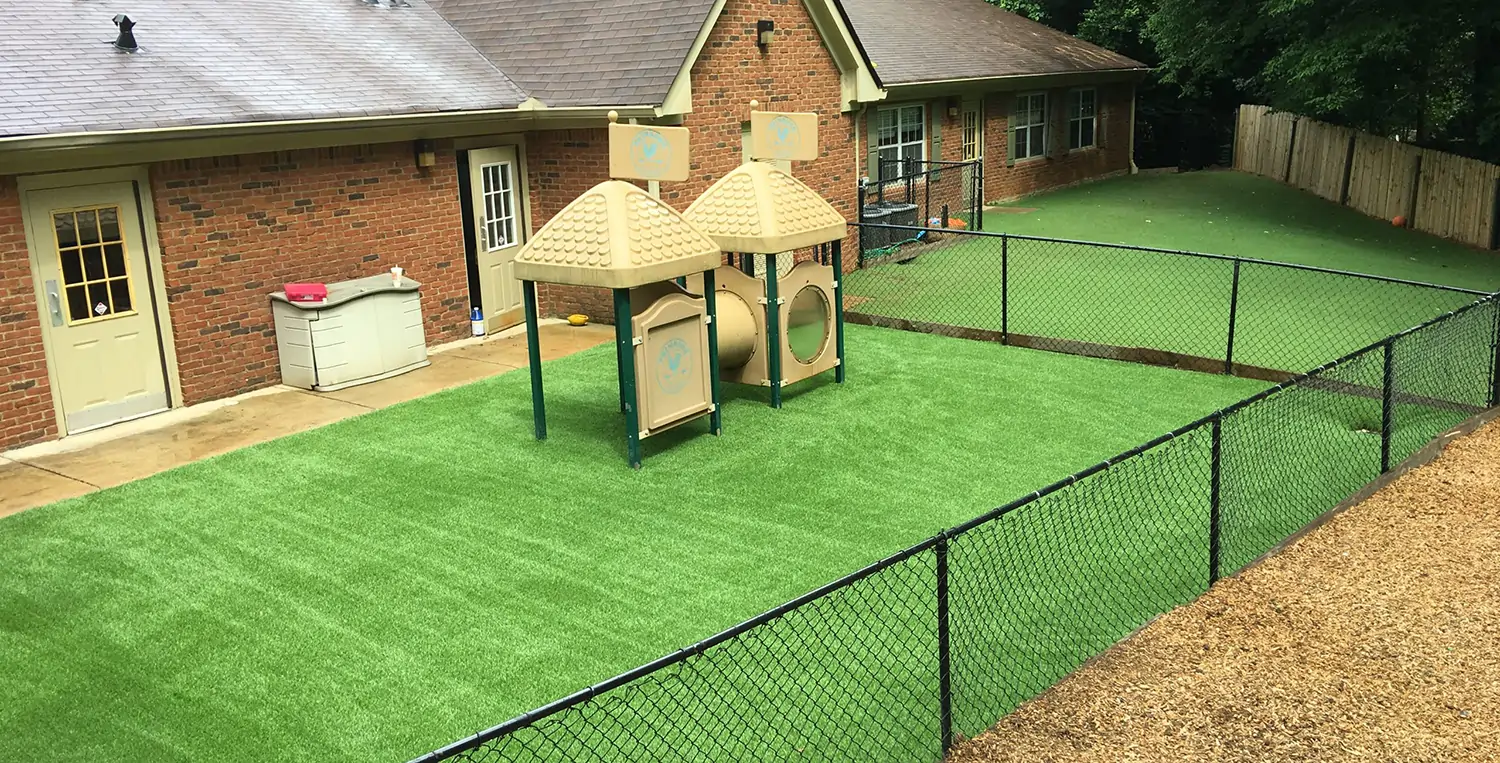
Pet-rated artificial turf for Pasadena and corridor-city residential yards, with antimicrobial infill and drainage spec built for dogs in a clay-soil environment.
Pet turf in Pasadena and the surrounding corridor cities requires more than a durable surface. It requires drainage that actually moves pet waste fluid through the system quickly, infill that resists odor retention in the outdoor heat, and a base that handles the clay soil movement without the surface trapping moisture between the turf and the subgrade. When those three things are not designed together, pet turf in the Gulf Coast heat becomes an odor problem fast. The outdoor temperature through the Pasadena and Ship Channel corridor bakes whatever is sitting in the turf, and if the drainage is insufficient or the infill is wrong for pet use, that heat accelerates the problem. Artificial Grass of Pasadena specifies pet turf installations for the actual outdoor conditions in this area, not for a temperate climate where drainage response time is less critical. Pet yards in Pasadena, South Houston, and Galena Park get drainage capacity sized for the load. Infill is antimicrobial-rated and selected for the temperature profile of the outdoor environment on each lot. The base is built for the clay, not for a sandy substrate that drains easily by default. Households in the Deepwater and Strawberry Park neighborhoods with large dogs in small yards get a different spec than a Friendswood subdivision home with a single dog and a larger backyard, because the drainage load and surface stress are different. We ask the right questions before specifying the install.
Pet turf from Artificial Grass of Pasadena is specified for the actual use and the actual outdoor conditions on each lot.
The outdoor temperature in Pasadena from June through September is aggressive. Pet waste fluid that does not drain quickly through the turf system concentrates on the surface and in the infill, and the heat accelerates odor development in ways that do not happen in cooler climates. Artificial Grass of Pasadena sizes drainage capacity for the actual pet load in the actual outdoor climate, which means the surface performs in August, not just in October.
Primary local coverage includes Pasadena, TX and surrounding communities.
Pet turf installation follows the standard base-preparation sequence with additional drainage and infill specifications driven by the animal population using the yard.
Step 1
We start with the dogs. Number, size, and use patterns determine drainage capacity requirements and infill selection before we assess the soil and grade.
Step 2
Excavation to clay-bridge depth, aggregate compaction, and drainage path configured to move the expected fluid load off the surface quickly.
Step 3
Pet-rated turf sections placed with seams positioned away from high-use traffic lines. Antimicrobial infill applied to the depth specified for the pet load.
Step 4
Pet yards get extra attention at gate entries and fence-line perimeters, where dogs apply pressure and edges are most likely to lift if not anchored correctly.
Step 5
Water flow test confirms drainage rate before we walk the yard with the homeowner and cover the rinse and maintenance routine specific to this pet load.
Pet turf installation serves different household configurations across the Ship Channel corridor and surrounding cities.
The primary application. Households with one to multiple dogs who want a clean, draining surface that does not mud up after rain or hold odor through the summer.
Yards in Pasadena's Strawberry Park, El Jardin, and similar neighborhoods where kids and dogs share the outdoor space. Infill and drainage spec balances pet use with play area safety.
South Houston, Galena Park, and Channelview yards where limited square footage is shared by multiple dogs. Drainage capacity per square foot matters more in constrained spaces.
Pet turf cost is driven by the same site factors as standard turf plus the additional specifications that pet use requires.
Larger animals and more animals mean higher drainage load requirements and more aggressive infill specification, both of which affect material cost.
Standard base factors apply: square footage, clay layer depth, and excavation requirements drive the base material and labor cost.
Pet-rated antimicrobial infill costs more than standard silica sand. The difference is worth it in the Pasadena climate where heat accelerates odor development in inadequately specified infill.
High-load pet yards with limited natural drainage may need additional drainage outlet work beyond the standard base system. This is quoted in the scope.
Artificial Grass of Pasadena serves pet turf installation across Pasadena, Deer Park, La Porte, South Houston, Channelview, Galena Park, Baytown, Seabrook, Clear Lake, League City, Friendswood, and Webster.
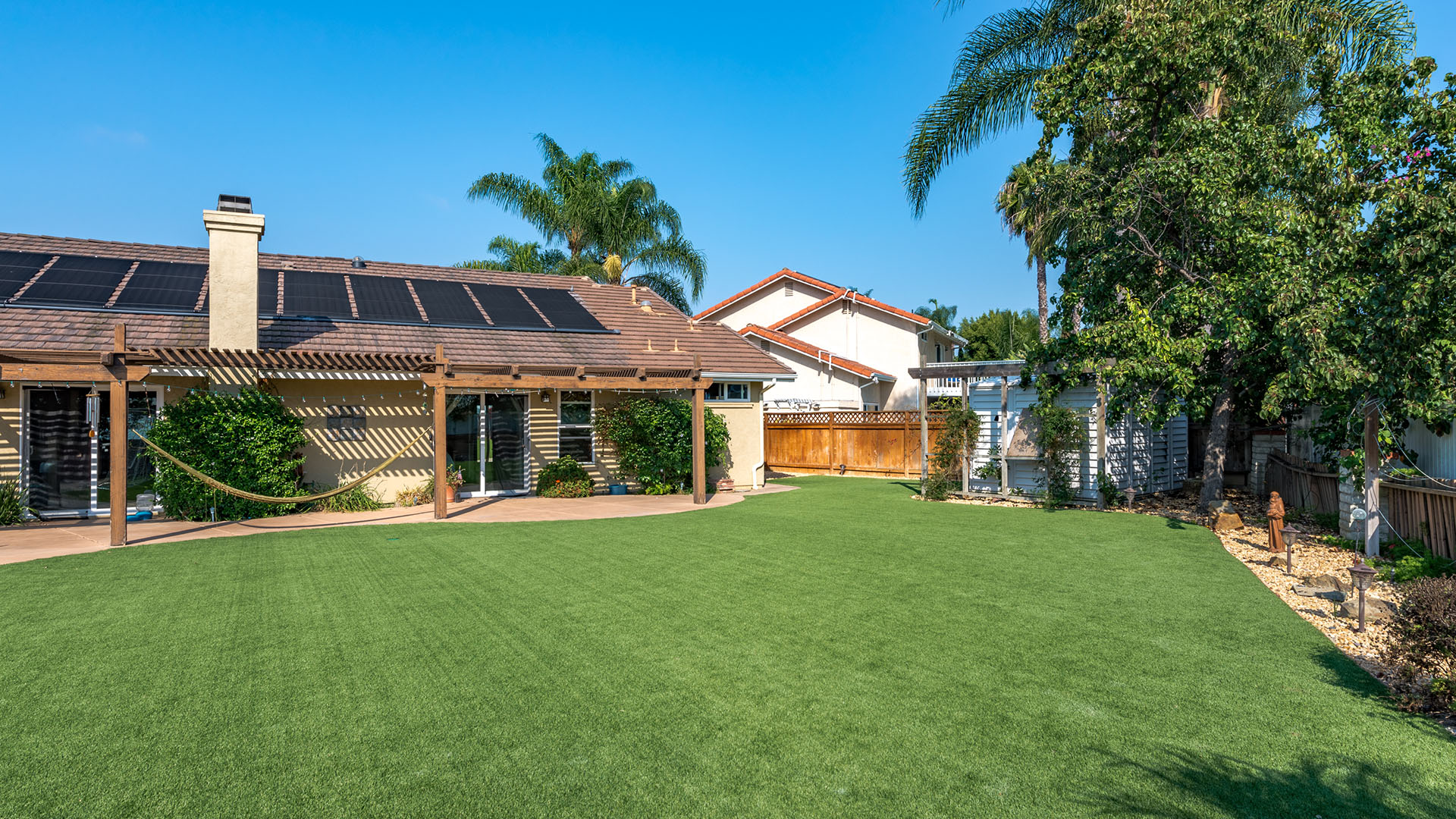
Backyard and front-yard turf systems designed for family use, pets, and low-maintenance living.
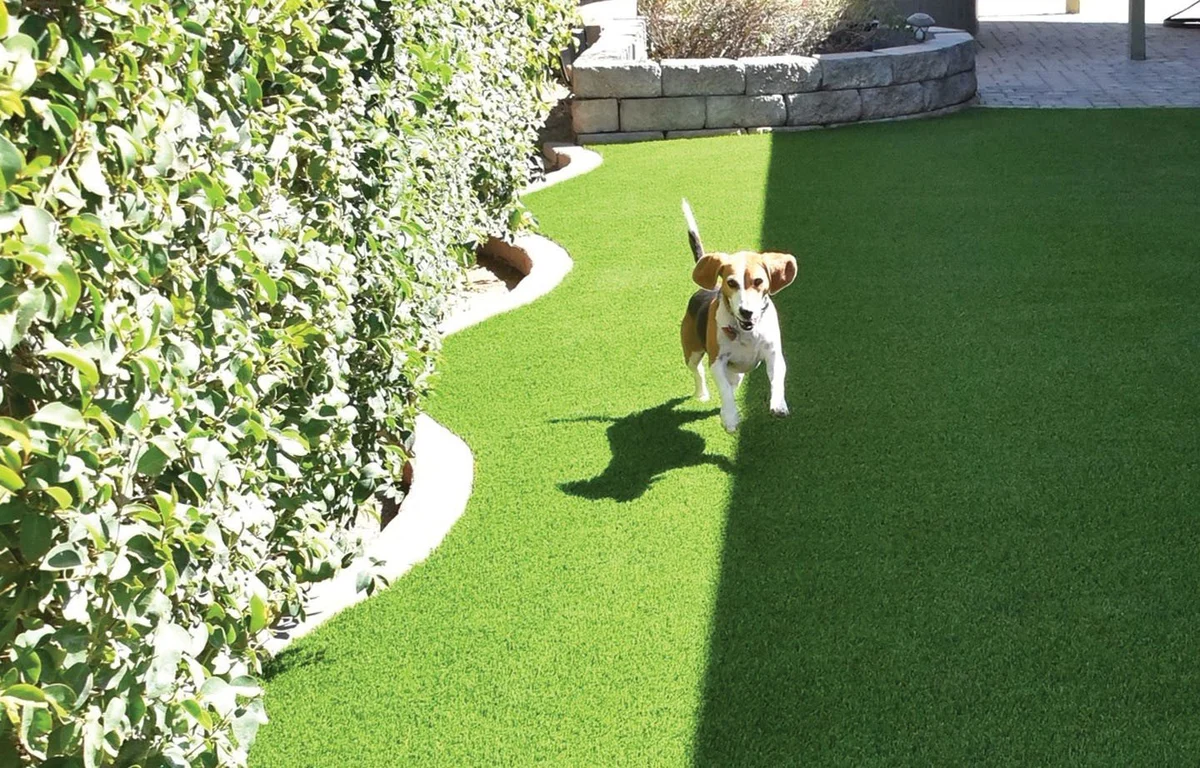
Base correction and drainage preparation for long-term turf performance in Pasadena-area soils.
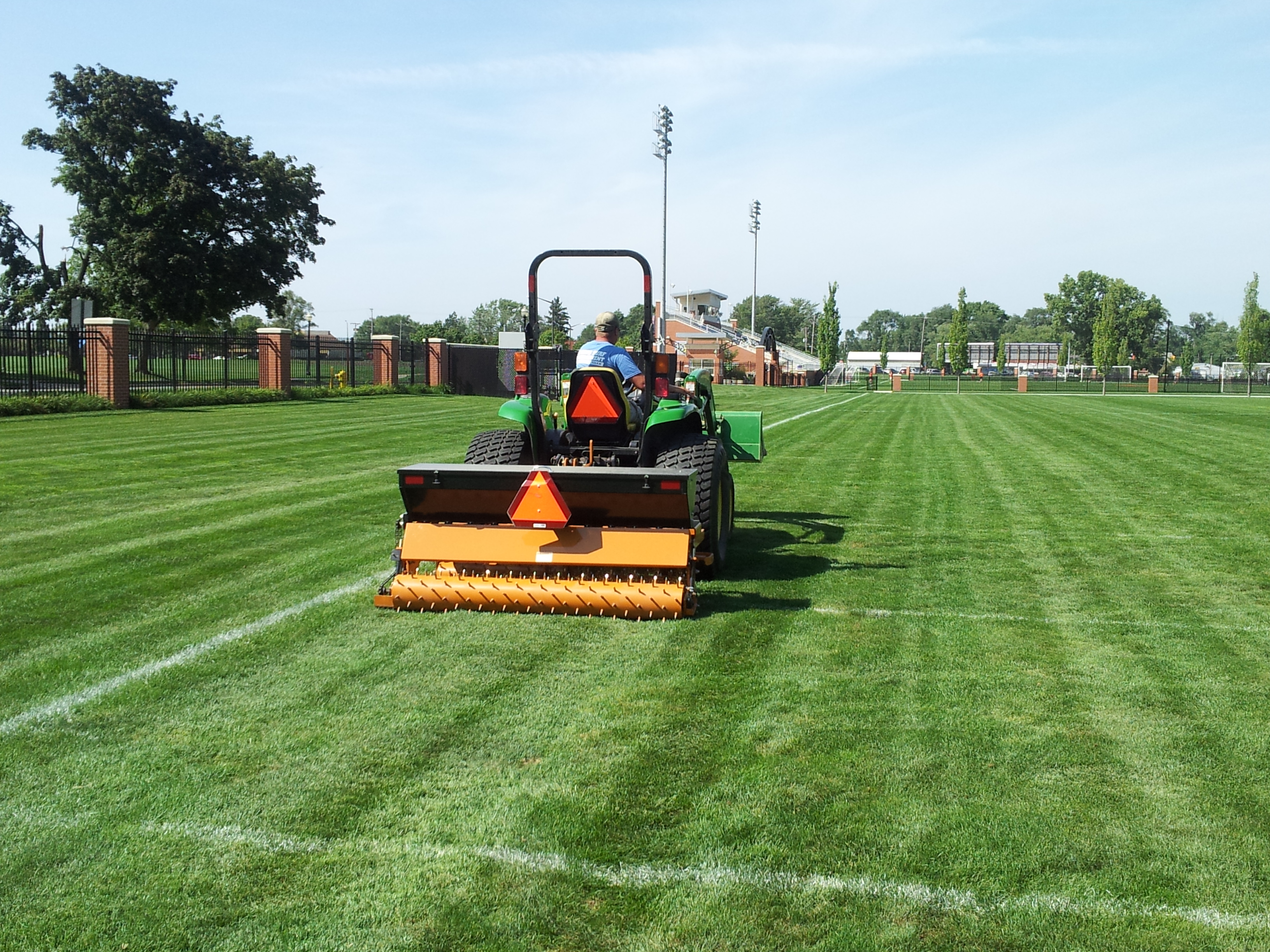
Maintenance and repair support for seams, infill balance, edge conditions, and surface refresh.
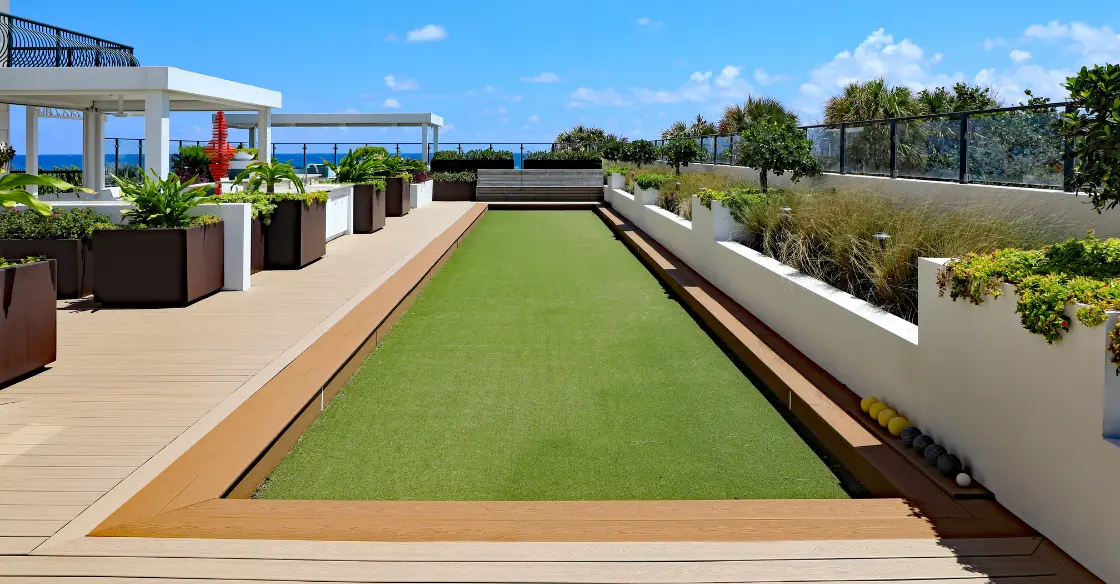
Play-focused turf surfaces for school, childcare, and community recreation areas.
It can, if the drainage is insufficient or the infill is not rated for pet use in a hot climate. We specify antimicrobial infill and size the drainage for the actual pet load so the surface drains quickly and the infill resists odor retention.
A dog determined to dig will work on anything. Pet turf is anchored at the perimeter and at field points to resist lifting. If a specific dog is a chronic digger, we add additional anchoring at the fence line during installation.
Remove solid waste as you would on any surface. Rinse the yard periodically with a hose to flush fluid through the drainage system. Frequency depends on the number of dogs and the yard size. We cover the specific routine at the closeout walkthrough.
Yes. The materials we use are non-toxic and do not pose a health risk to animals. We use pet-rated turf and infill products on every pet installation.
In a yard with heavy pet use, infill refresh may be needed every three to five years depending on use intensity. We cover the timeline specific to the pet load at the closeout walkthrough.
Share your scope priorities and timeline. We will follow up with project recommendations for your property.
Call