
Step 1
Site Assessment and Scope Confirmation
We walk the property, assess the clay layer, map the drainage path, and confirm access logistics. The scope quote comes from what we see, not from a square footage calculator.
Loading content...
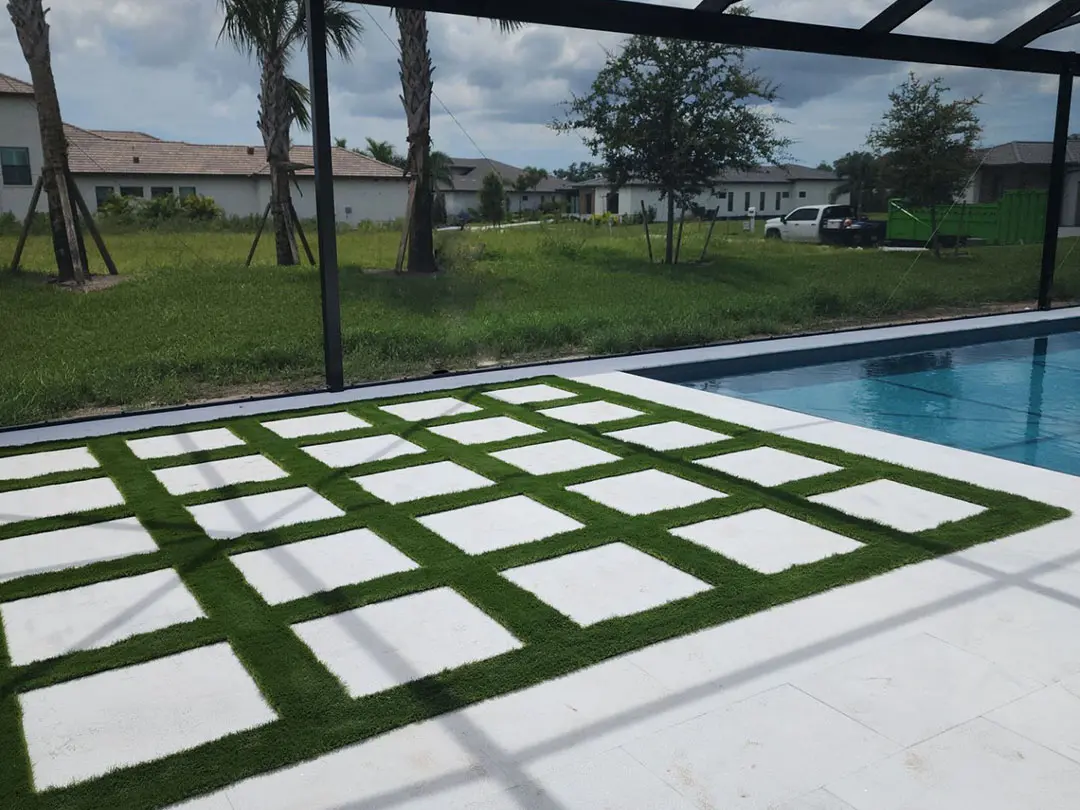
Full artificial turf installation for Pasadena and Ship Channel-corridor properties, base-built for Beaumont clay and Gulf rain drainage.
Artificial turf installation in Pasadena is not the same job it is in Katy or The Woodlands. The ground here is Beaumont clay, which expands when wet and contracts when dry, and it does not stop moving just because there is turf sitting on top of it. If the base is not built to the correct depth and compacted with aggregate that bridges the clay movement layer, the turf surface will shift. It will show ridges along seam lines and humps where the clay pushes up most. That is a warranty call waiting to happen, and it is preventable at the base prep stage. Artificial Grass of Pasadena builds every installation around the actual soil conditions at the site. Base excavation depth is determined by the clay layer depth at that specific lot, not by a regional standard that gets applied regardless of what the ground actually does. Drainage is planned before any turf goes down, because the Ship Channel corridor receives heavy Gulf-driven rain events that push through fast and hard. A yard that does not drain through the turf base properly will pool, and standing water under turf is a surface failure waiting to develop. Every Pasadena-area artificial turf install from Artificial Grass of Pasadena includes a site walk, a clay-and-grade assessment, base excavation to the correct depth, compacted aggregate, drainage path planning, edge detailing at fence lines and hardscape transitions, turf placement with controlled seam alignment, infill calibration, and a closeout walkthrough that sets realistic performance expectations. That is the baseline. Nothing gets skipped to hit a lower number that creates a callback six months later.
Every artificial turf installation from Artificial Grass of Pasadena follows the same sequence, from site assessment through final walkthrough. No steps are optional extras on a correctly done job.
The Beaumont clay across the Ship Channel corridor is one of the most active expansive soils in greater Houston. An artificial turf installation that is not built to handle that movement will fail visibly within one or two seasonal cycles. Artificial Grass of Pasadena builds the base to the depth and specification the soil requires, not the minimum that keeps the surface looking acceptable on the day of installation. That is the difference between a surface that holds up for a decade and one that generates a callback before the first anniversary.
Primary local coverage includes Pasadena, TX and surrounding communities.
The sequence is the same on every project because each step sets up the next one. Skipping base assessment leads to wrong excavation depth. Wrong depth leads to clay movement at the surface. That is how callbacks happen.
Step 1
We walk the property, assess the clay layer, map the drainage path, and confirm access logistics. The scope quote comes from what we see, not from a square footage calculator.
Step 2
We excavate to the depth the clay layer requires, remove the material, and install compacted aggregate base. Compaction is confirmed before any turf material is staged.
Step 3
Perimeter edging is installed at all transition points. Drainage path performance is verified with a water test before turf goes down.
Step 4
Turf sections are laid with seam direction set for the viewing angle and secured at perimeter and field anchors. Infill is applied and groomed to the specified depth.
Step 5
We walk the completed surface with whoever is taking over the property, cover what to expect in the first wet season, and confirm any follow-up questions before leaving the site.
Artificial turf installation in the Pasadena area covers a range of property types and use cases, each with different base and drainage requirements.
The primary use case in Pasadena proper and the surrounding corridor cities. Multi-generational households, shift-work families, and properties with heavy pet and child use that need a surface holding up under real daily load.
Businesses along Pasadena Boulevard, Bay Area Boulevard, NASA Road 1, and the Beltway 8 industrial corridor who need exterior surfaces that stay presentable without landscaping maintenance overhead.
Multifamily common-area turf in League City, Friendswood, and Clear Lake subdivisions where drainage spec and surface durability matter for tenant and resident use.
Turf installation cost is driven by what the site actually requires, not a fixed price per square foot applied regardless of conditions.
Total surface area is the starting point. Irregular shapes, multiple separate zones, and narrow access corridors add time and cut material waste.
Sites with deeper active clay layers require more excavation and more aggregate. That drives base material and labor cost more than most other variables.
Yards that need additional drainage capacity, French drain runs, or drainage outlet positioning add to scope cost. Better to address it before the turf goes down.
Clean edges at concrete borders, fence lines, and hardscape transitions take time to detail correctly. Properties with more perimeter complexity relative to square footage run higher per-foot costs.
Artificial Grass of Pasadena covers Pasadena, Deer Park, La Porte, South Houston, Channelview, Galena Park, Baytown, Seabrook, Clear Lake, League City, Friendswood, and Webster for artificial turf installation.
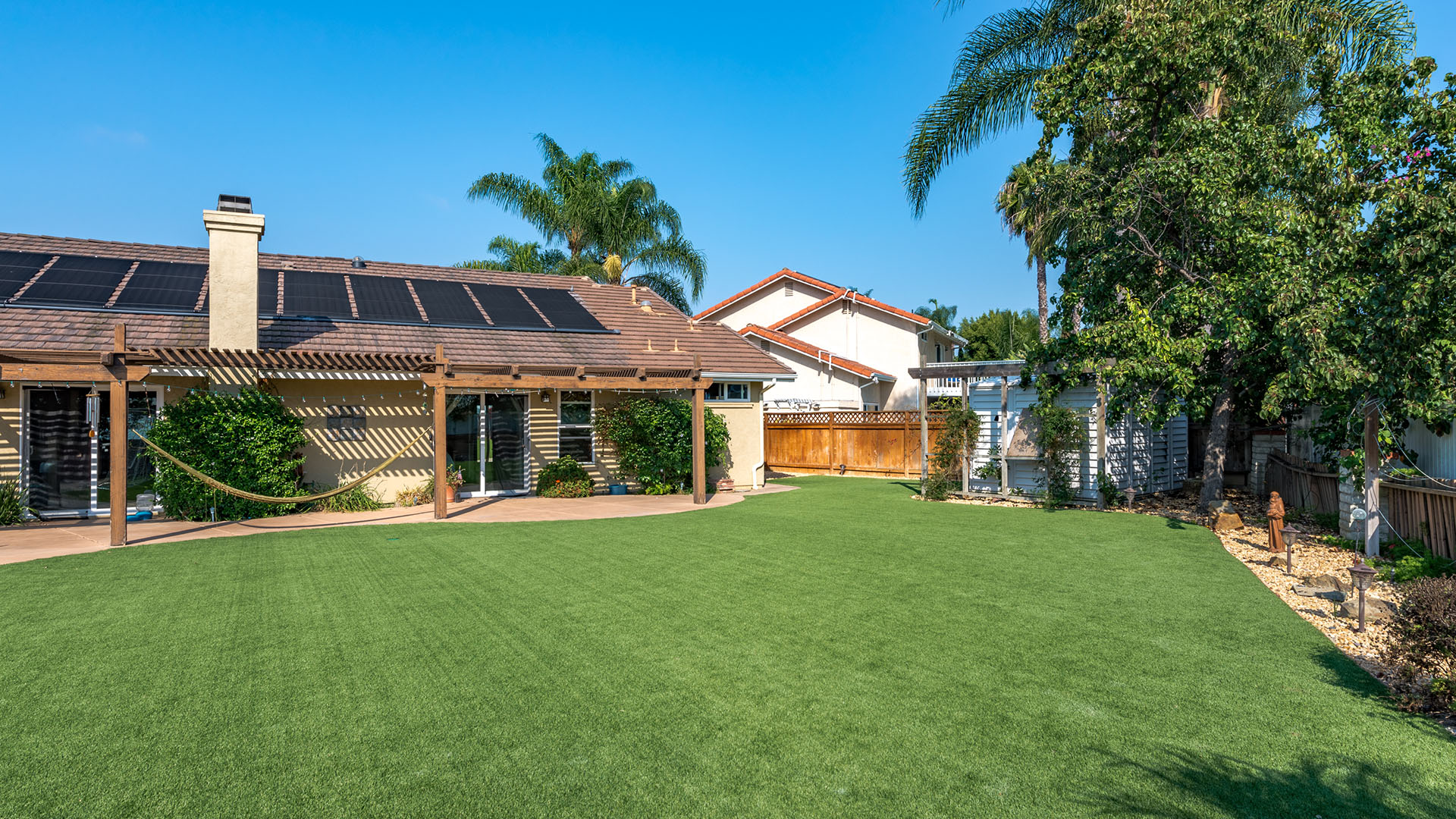
Backyard and front-yard turf systems designed for family use, pets, and low-maintenance living.
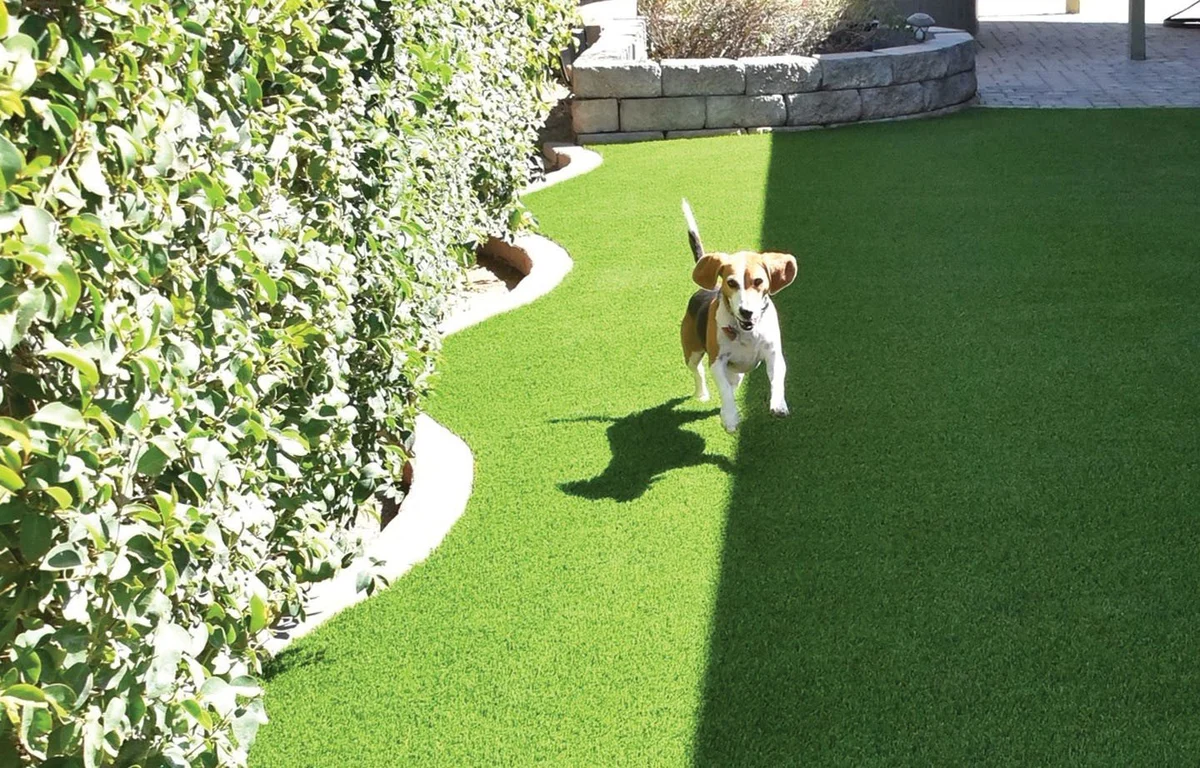
Base correction and drainage preparation for long-term turf performance in Pasadena-area soils.
Maintenance and repair support for seams, infill balance, edge conditions, and surface refresh.
Commercial-grade turf layouts for offices, retail properties, and multifamily communities.
The Beaumont clay under most Pasadena properties expands and contracts with the wet-dry cycle. If the aggregate base does not extend below the active clay layer, that movement pushes into the turf surface and creates visible shifting, seam stress, and drainage problems.
Most residential installs in the 500 to 1,200 square foot range complete in one to two days. Larger projects or those requiring significant drainage correction run longer. Timeline is confirmed in the scope.
Yes, if the flooding is from surface accumulation rather than external inflow. We design the base drainage to move water through the system. If the yard is receiving water from an external source like a neighbor's lot or a drainage easement, that needs to be addressed separately.
Residential backyard turf installations in Pasadena typically do not require permits. HOA approvals may be required in managed communities. We help identify those requirements during the site assessment.
We confirm access windows, the right contact, and any site-specific entry requirements before scheduling any crew. Night-shift households get arrival windows that do not conflict with their rest cycle.
Warranty terms cover both the turf material and the installation workmanship. Specific terms are provided in the written scope before work begins. We do not give warranty guarantees verbally and then qualify them later.
Share your scope priorities and timeline. We will follow up with project recommendations for your property.
Call