
Step 1
Site Assessment
Clay depth probing, drainage path observation, and grade evaluation happen at the site before any material is ordered or equipment is scheduled.
Loading content...
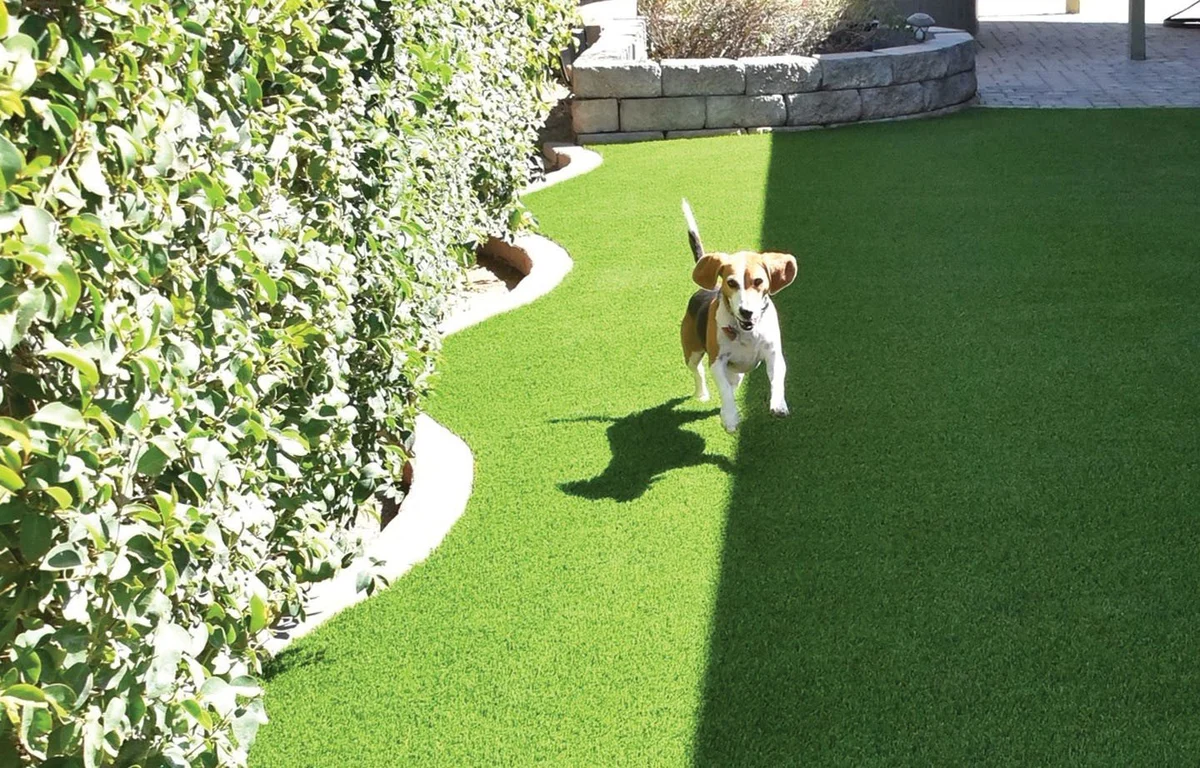
Clay-specific base excavation and drainage design for artificial turf installations across the Pasadena and Ship Channel corridor.
Drainage and base preparation is not a preliminary step before the real work starts. It is the most technically important part of any artificial turf installation in the Pasadena area, and it is the part that determines whether the turf surface performs correctly five years from now or generates a repair call within the first two seasons. The Beaumont clay under Pasadena, South Houston, Channelview, Galena Park, and Deer Park is one of the most expansive soil types in greater Houston. It absorbs water and swells, then loses water and contracts, and it does that every seasonal cycle. An artificial turf surface sitting on top of that clay with inadequate aggregate base will move with the soil. It will show the movement as seam stress, grade irregularity, drainage failure, and eventual surface delamination. Artificial Grass of Pasadena offers drainage and base preparation as a standalone service for properties that need the base work done correctly before a turf system is installed, and as the foundational component of every turf installation we complete. The assessment process identifies the clay layer depth at the specific site, evaluates the natural drainage path on the lot, identifies any low points that will collect water, and designs the aggregate base and drainage outlet system to address what the site actually requires. In the Ship Channel corridor, that assessment also considers the tributary drainage behavior of Brays Bayou and the San Jacinto River system, which affects how much drainage capacity a lot's base needs to handle during major Gulf rain events.
Drainage and base preparation from Artificial Grass of Pasadena covers the full assessment, excavation, and installation sequence.
The Beaumont clay across the Ship Channel corridor is among the most active expansive soils in Texas. Aggregate base depth that is adequate in a lighter soil environment is not adequate here. The clay layer has to be bridged correctly, not skimmed. Drainage that handles typical residential runoff does not handle a Gulf rain event in a low-topography city like Pasadena or Channelview. The base and drainage system has to be designed for the conditions on this specific lot in this specific climate, not for the conditions that most of the country's installation guides assume.
Primary local coverage includes Pasadena, TX and surrounding communities.
Base preparation follows a site-driven sequence that adapts to what each lot actually requires.
Step 1
Clay depth probing, drainage path observation, and grade evaluation happen at the site before any material is ordered or equipment is scheduled.
Step 2
Excavation depth, aggregate volume, and drainage outlet requirements are confirmed in a written scope before work begins. Sites with deeper clay or more complex drainage add to the scope at this step, not after excavation starts.
Step 3
Existing material is removed to the confirmed depth. Grade is adjusted where needed to create positive drainage direction.
Step 4
Crushed aggregate is placed in lifts and compacted to the specified density. Compaction is verified before any surface material is placed on top.
Step 5
Drainage outlet system is installed where the lot requires it. Water test confirms drainage flow rate before the base is considered complete.
Base preparation is the foundation of every turf install, but some sites also need it as a standalone service or as a rebuild before a repair.
Every Artificial Grass of Pasadena turf installation includes the full base preparation sequence. It is not an optional add-on.
Properties where existing turf was installed on an inadequate base and the surface is failing due to clay movement or drainage failure. Base rebuild corrects the root cause before new turf is installed.
Properties where the existing turf installation is otherwise sound but drainage failure is causing standing water. Drainage outlet installation or aggregate permeability restoration as a targeted repair.
Base preparation cost is driven by the soil conditions at the site and the drainage requirements of the lot.
Deeper active clay layers require more excavation and more aggregate. This is the largest variable in base preparation cost in the Pasadena area.
Sites that need French drain runs, multiple outlet points, or perforated pipe distribution systems add cost over standard base-drainage-only installations.
Lots with significant grade irregularity that require leveling before aggregate placement add labor time.
Sites with limited access for excavation equipment require hand or smaller-equipment work that increases labor time relative to the aggregate volume.
Artificial Grass of Pasadena provides drainage and base preparation services across Pasadena, Deer Park, La Porte, South Houston, Channelview, Galena Park, Baytown, Seabrook, Clear Lake, League City, Friendswood, and Webster.
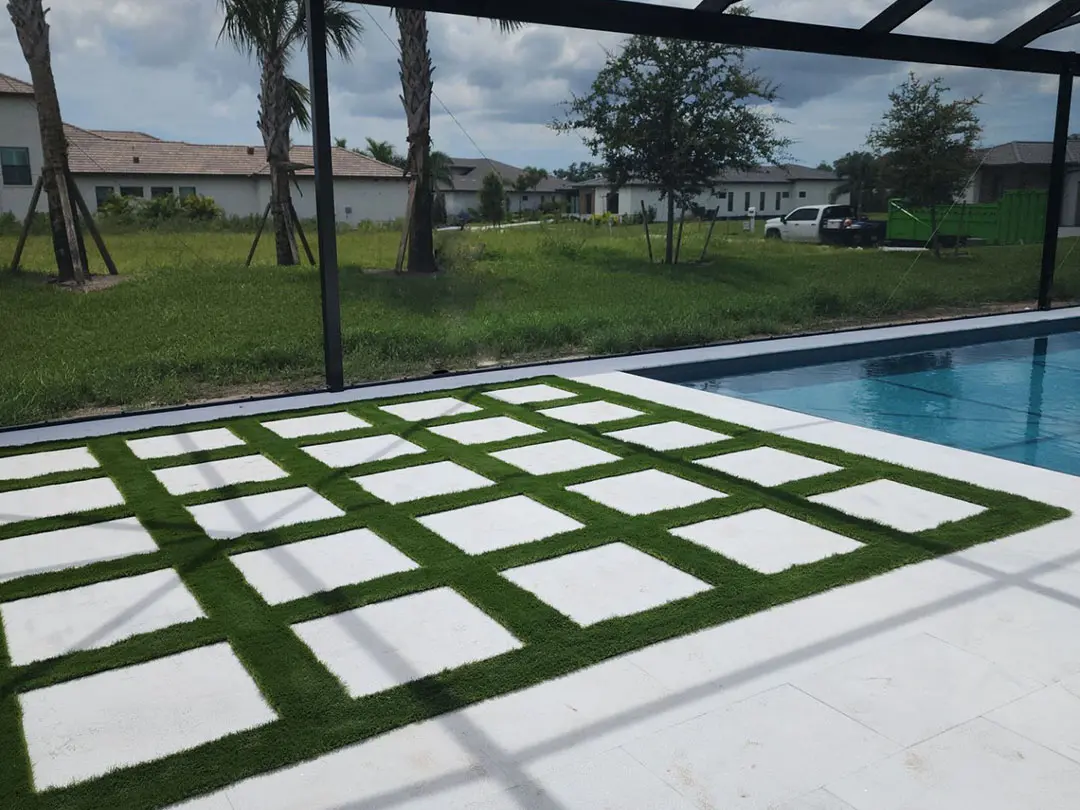
Complete synthetic turf installation for residential and commercial properties in Pasadena, TX.
Maintenance and repair support for seams, infill balance, edge conditions, and surface refresh.
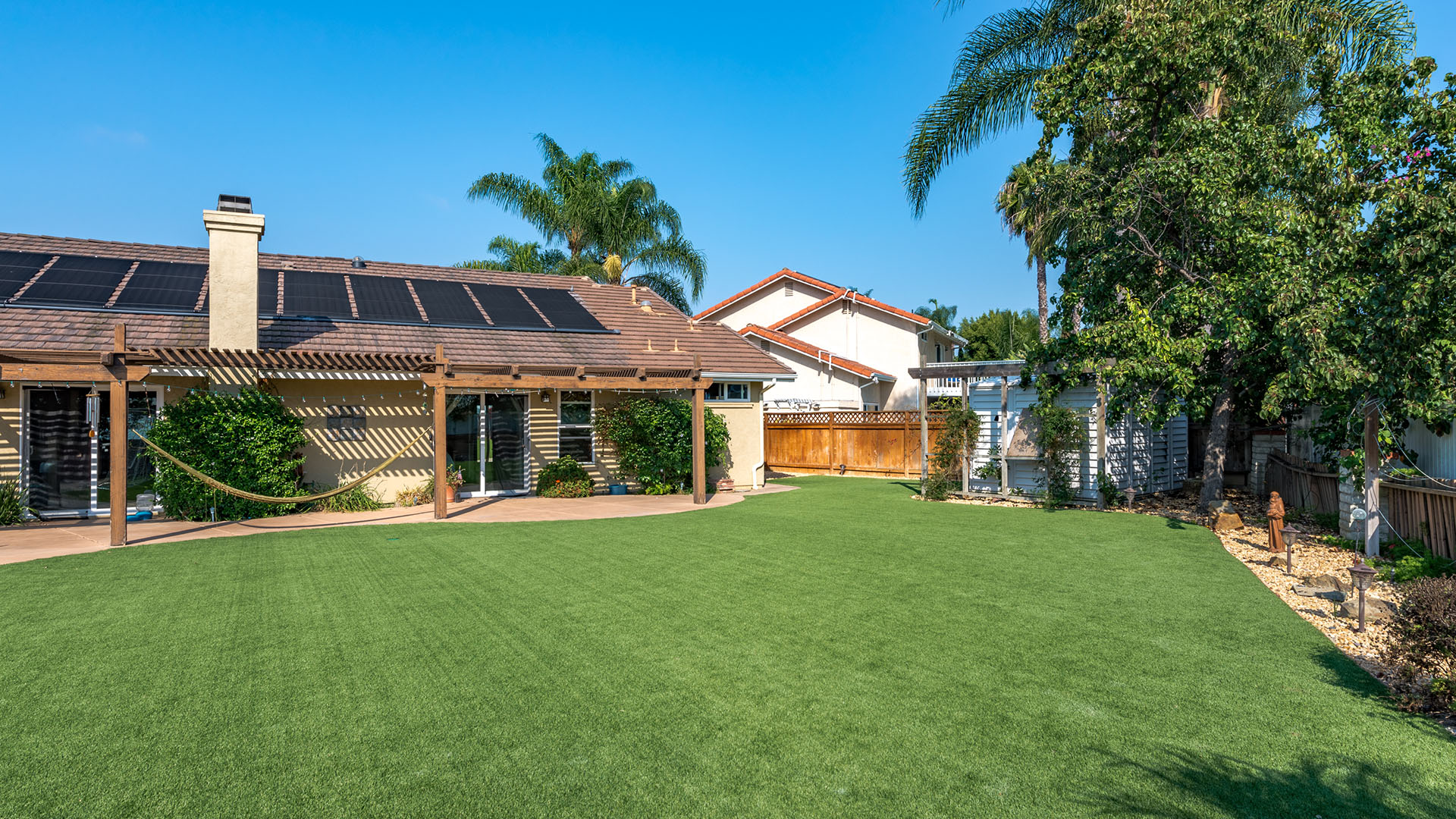
Backyard and front-yard turf systems designed for family use, pets, and low-maintenance living.
Commercial-grade turf layouts for offices, retail properties, and multifamily communities.
It depends on where the active clay layer sits on the specific lot. We probe the soil during the site assessment and set the excavation depth based on what we find, not on a regional average. In most Pasadena residential yards, the base runs four to six inches of aggregate over a geotextile separation layer.
In many cases, yes. If the water is accumulating on the surface because of poor drainage through existing soil or inadequate grade, a correctly designed aggregate base and drainage outlet system will significantly improve drainage response time. If water is entering from an external source, additional drainage outlet work may be needed.
Yes. Base rebuild involves removing the existing turf, completing the full excavation and aggregate installation to the correct spec, and reinstalling turf. This is the correct approach when the original installation was built on an inadequate base.
We use crushed limestone or decomposed granite depending on the drainage requirements and the surface use. Both provide the compaction stability and permeability needed for turf performance in the Pasadena clay zone.
No. Clay depth, lot drainage requirements, and access conditions all vary. We provide a site-specific scope after assessment, not a flat per-square-foot price that ignores what the ground actually requires.
Share your scope priorities and timeline. We will follow up with project recommendations for your property.
Call